Жидкокристаллический дисплей (ЖК-дисплей) Modules are integral components in a wide range of modern devices, from consumer electronics to industrial equipment. These modules combine liquid crystal technology with a backlight to produce clear, vibrant, and energy-efficient displays. LCD modules are used in everything from smartphones and televisions to medical devices and automotive systems, providing sharp images and reliable performance.
In this comprehensive guide, we will explore how LCD modules work, their key components, and the various types available. Whether you’re designing new products or looking to upgrade existing displays, understanding the features and advantages of LCD modules will help you make informed choices for your applications.
What is a Liquid Crystal Display (ЖК-дисплей) Module?
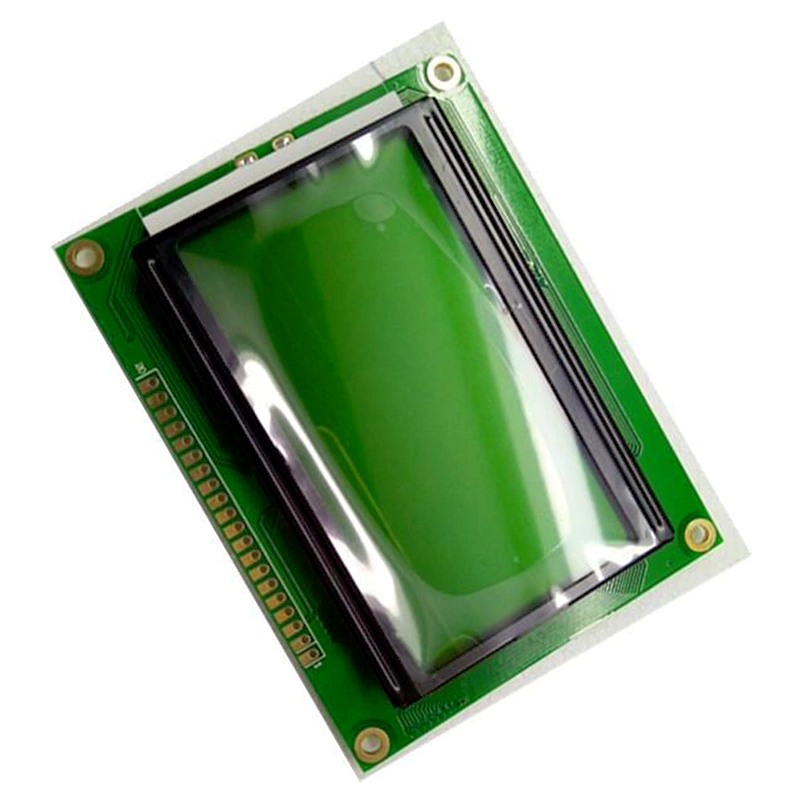
А Жидкокристаллический дисплей (ЖК-дисплей) Module is a complete display unit that combines several components, including the liquid crystal panel, a backlight, and necessary circuitry, to produce images or text on a screen. It functions by using liquid crystals that align differently when an electric current passes through them, controlling how light passes through the panel to create visuals.

How Does It Work?
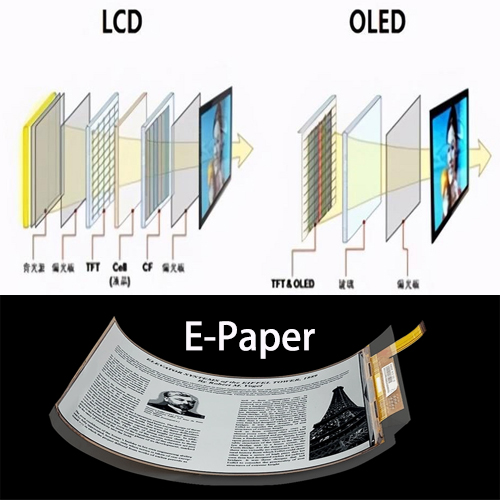
The basic working principle of an LCD module involves the manipulation of liquid crystals between two layers of polarized glass. When electrical signals are applied, the liquid crystals adjust their orientation, allowing varying amounts of light to pass through. The module typically includes:
1. Liquid Crystal Panel: Contains the liquid crystals that create the display.
2. Подсветка: Provides consistent light behind the liquid crystal panel, which is essential for visibility.
3. Поляризаторы: Help control the light passing through the display to ensure accurate image rendering.
4. Электроды: Apply voltage to specific areas of the liquid crystals, changing their alignment and thus controlling the image.
These modules are often used in combination with other technologies, such as TFT (Тонкофильм-транзистор) or OLED, to improve image quality, refresh rates, и точность цветопередачи. The result is a highly versatile, energy-efficient display solution that is widely used across industries.
What Are the Key Components of an LCD Module?
А high-quality LCD (Жидкокристаллический дисплей) Module is made up of several key components that work together to produce clear, vibrant visuals. Each component plays an essential role in the functioning of the display, ensuring that it provides accurate and reliable performance. The primary components of an LCD module include:
1. Liquid Crystal Panel
The liquid crystal panel is the core element of the LCD module. It consists of liquid crystals that can align in different ways when an electric current is applied. This alignment controls the passage of light through the display, allowing images to be formed.
2. Подсветка
The backlight is crucial for LCD modules because liquid crystals do not emit their own light. The backlight shines through the liquid crystal panel, making the display visible. Common types of backlighting include ВЕЛ (Light Emitting Diodes), which are energy-efficient and provide even light distribution across the screen.
3. Поляризаторы
LCD modules rely on two polarizing filters, one at the front and one at the back of the liquid crystal panel. These polarizers control the light passing through the display by only allowing light aligned with their polarization axis to pass through. This helps create the necessary contrast for the display to show images clearly.
4. Электроды
Electrodes are thin layers of conductive material placed on the surface of the liquid crystal panel. These electrodes apply a voltage to the liquid crystals, causing them to shift and change their alignment. This electrical control over the liquid crystals allows the LCD module to form images or text by controlling which areas of the display are light or dark.
5. Стеклянный подложка
The liquid crystal panel is typically sandwiched between two layers of glass or plastic substrates. The glass serves as a protective layer and provides structural support for the liquid crystal and electrode components.
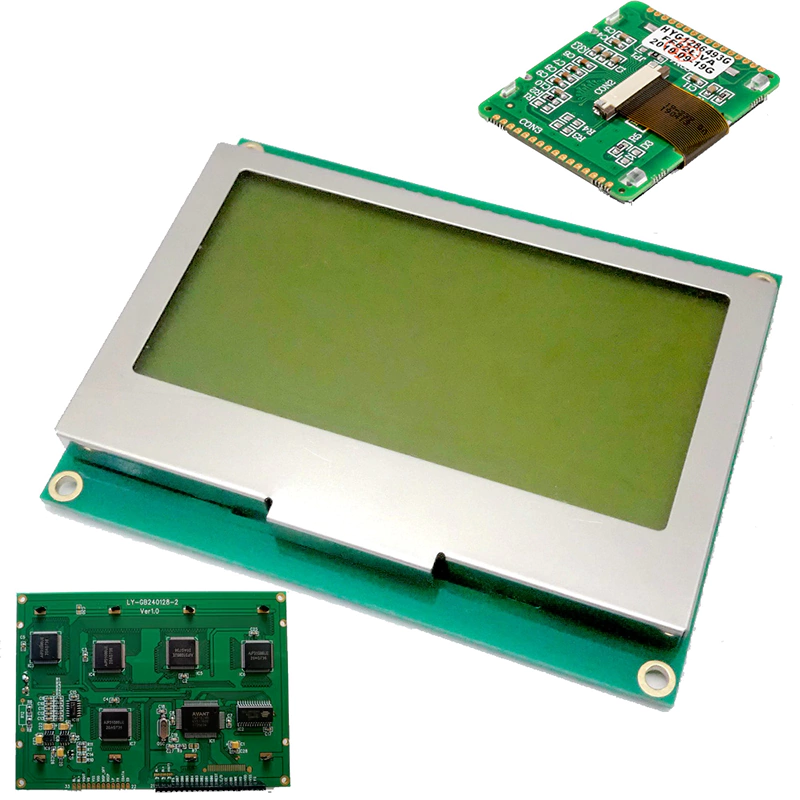
6. Driver ICs (Integrated Circuits)
Driver ICs control the operation of the liquid crystal panel by converting digital signals into the necessary electrical voltages that drive the pixels. They manage the input from the controller board to ensure that the correct image is displayed.
7. Controller Board
The controller board is responsible for interpreting input signals from external devices (such as a smartphone or computer) and sending the correct data to the driver ICs. It ensures that the LCD module receives the necessary instructions to produce images or text.
8. FPC (Гибкая печатная цепь) or PCB (Printed Circuit Board)
FPCs or PCBs connect the LCD module to external components like the controller board and driver ICs. They are responsible for transmitting signals and power to the module.
9. Frame and Casing
The frame or casing holds the various components of the LCD module in place and provides protection from physical damage. It also often includes connectors for attaching the module to other systems.
These components work together to create a functional and high-quality display that can be used in a variety of applications, from consumer electronics to industrial and medical devices. Each part is essential to ensuring the module’s efficiency, производительность, and durability.
How Are Liquid Crystal Display Modules Used in Different Industries?
Premium liquid Crystal Display (ЖК-дисплей) Modules are used extensively across various industries due to their versatility, надежность, and energy efficiency. In consumer electronics, LCD modules are found in smartphones, таблетки, ноутбуки, и телевизоры, providing clear and vibrant displays for everyday use. In the automotive industry, they are integral to dashboard displays, infotainment systems, and navigation screens, offering real-time information with high resolution and color accuracy.

The medical field also benefits from LCD modules, with applications in diagnostic equipment, patient monitors, and imaging systems, where clear and precise visuals are crucial for accurate diagnosis and monitoring. In industrial applications, LCD modules are used in control panels, machinery displays, and automation systems, providing operators with intuitive interfaces and real-time data.
Кроме того, retail uses LCD modules in digital signage and point-of-sale (POS-терминал) системы, enhancing customer engagement with eye-catching visuals and interactive displays. Their role in these diverse sectors highlights their adaptability and importance in modern technology, making them a vital component in the functionality and efficiency of numerous devices and systems.
What Are the Benefits of Using LCD Modules in Your Products?
LCD modules offer several advantages that make them a popular choice across industries. They are energy-efficient, providing long-lasting performance without consuming excessive power, which is especially beneficial in portable and battery-operated devices. Their compact design allows them to be easily integrated into various products, from consumer electronics to industrial control systems.
LCD modules also deliver clear, sharp visuals with high contrast and excellent readability, even in bright environments, making them ideal for outdoor and high-traffic applications. Furthermore, they are durable and reliable, able to function effectively over extended periods with minimal maintenance.
How Do LCD Modules Compare to Other Display Technologies?
When compared to other display technologies such as Олинг или ВЕЛ, LCD modules are generally more cost-effective and energy-efficient, especially for applications requiring longer operating lifespans. While OLED displays offer better color contrast and flexibility, LCDs are still preferred in situations where brightness and durability are critical, such as in industrial environments.
Unlike Plasma displays, LCDs consume less power and have a longer lifespan, making them a more sustainable option for many industries. While LED displays are often used in larger formats for their brightness, LCD modules remain the go-to choice for medium-sized displays due to their superior image quality and lower power consumption.
What Are the Different Types of LCD Modules Available?
LCD modules come in a variety of types, each suited for different applications.
The most common include Monochrome LCD Modules, which display text or simple graphics in a single color, and TFT (Thin Film Transistor) LCD Modules, which provide high-resolution color displays ideal for more advanced applications such as smartphones, таблетки, and automotive systems.
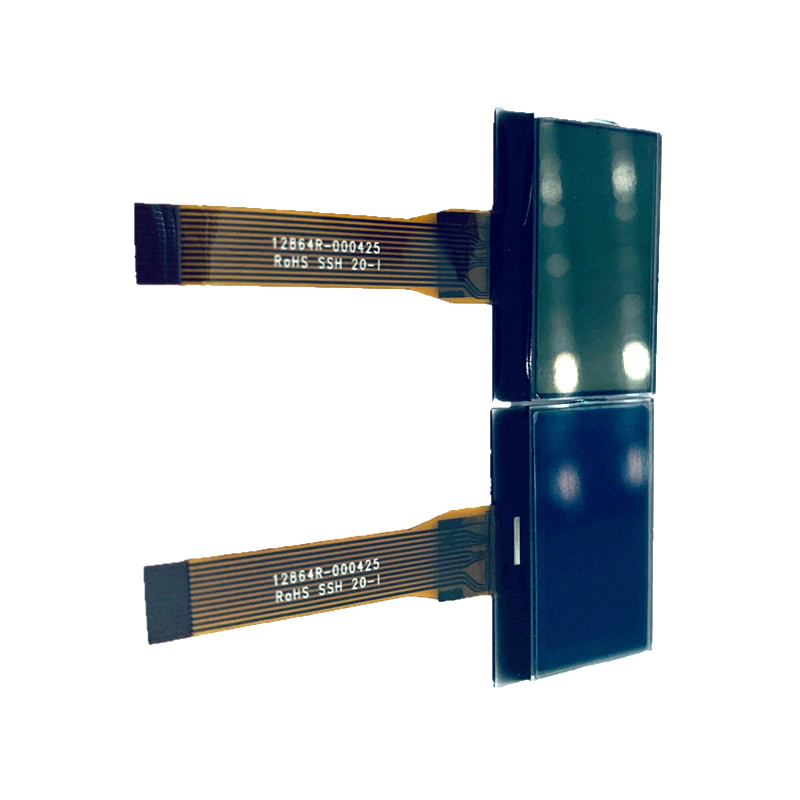
There are also Segment LCD Modules, used in devices like clocks and calculators for easy-to-read digital displays, and Graphic LCD Modules, which can show complex images and text for more versatile applications. Олинг (Organic Light Emitting Diode) модули, while still technically a form of LCD, offer higher contrast ratios and are used in applications requiring more vibrant colors and deeper blacks.
How Can You Choose the Right LCD Module for Your Application?
When selecting an LCD module for your product, it’s important to consider factors such as resolution, size, and power consumption. For applications requiring high-quality visuals and a wide color gamut, TFT LCD modules are an excellent choice, whereas monochrome LCD modules may be better suited for simpler devices where energy efficiency and cost are a priority.
You should also evaluate the environment in which the module will be used. Кроме того, consider the integration capabilities, such as the availability of necessary controllers and drivers, to ensure the LCD module is compatible with your design requirements.

Заключение
В заключение, high-performance Liquid Crystal Display (ЖК-дисплей) модули are an indispensable component across various industries, offering numerous benefits such as energy efficiency, долговечность, and high-quality visuals. From consumer electronics to industrial and medical applications, these modules are designed to meet diverse needs, with different types available to suit specific requirements.
Contact us today to learn more about how LCD modules can enhance your products or to get a customized quote for your specific display needs. Let us help you find the perfect solution for your display requirements.